
Professional Waste Management Solutions for UK Businesses
- nbaenvironmental
- Jul 16, 2025
- 4 min read
In today's rapidly evolving business landscape, effective waste management has become a cornerstone of sustainability and operational efficiency. UK businesses face unique waste disposal challenges that require expert strategies tailored to their needs. In this post, we will delve into professional waste management solutions, explore essential aspects of waste handling, and provide actionable tips for creating a clean and compliant workspace.
Understanding Professional Waste Solutions
Professional waste solutions encompass a variety of practices designed to help businesses manage their waste effectively. These solutions streamline waste handling, ensuring compliance with local regulations and minimizing environmental impact. From recycling initiatives to responsible disposal methods, companies can easily implement effective waste management to cut costs and enhance their corporate image.
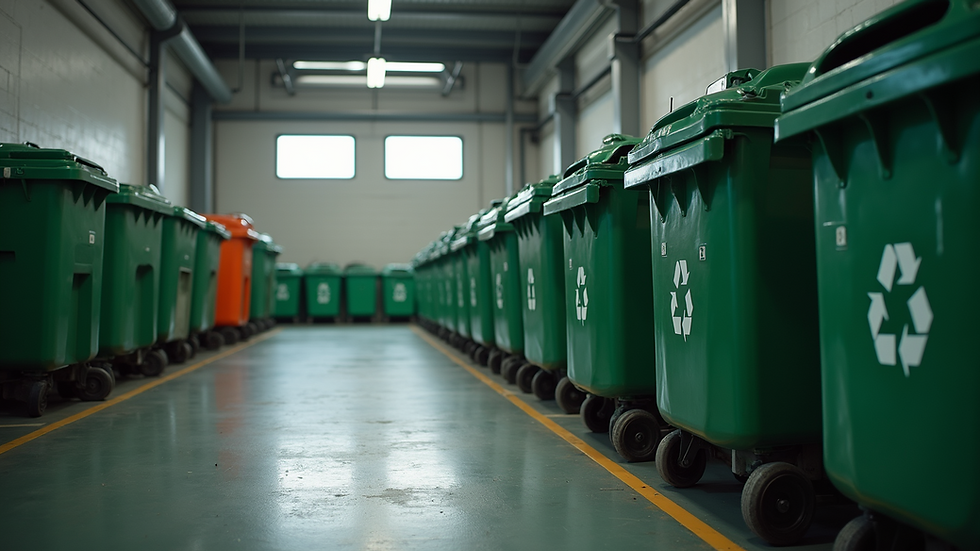
Businesses that invest in robust waste management strategies not only lessen their environmental footprint but also improve operational efficiency. For example, by utilizing recycling bins and educating staff on proper disposal methods, companies can significantly reduce the volume of waste sent to landfills, contributing to a more sustainable future.
The Importance of Professional Waste Solutions
Implementing professional waste solutions brings a myriad of benefits that extend beyond mere compliance with regulations. Here are some key reasons why UK businesses should prioritize effective waste management:
Cost Savings: By optimizing waste management practices, businesses can reduce disposal costs. For instance, many companies find that investing in recycling programs decreases landfill fees significantly as less waste requires disposal.
Regulatory Compliance: Staying compliant with local waste management regulations is vital. Failing to adhere to waste management laws can result in hefty fines and reputational damage. Professional waste management firms are skilled in navigating these regulations, ensuring businesses remain compliant.
Enhanced Corporate Image: Today's consumers are increasingly environmental-conscious. By demonstrating a commitment to sustainable practices through professional waste solutions, businesses can improve their image and attract eco-friendly customers.
Improved Efficiency: A well-organized waste management system enhances operational efficiency. Staff can spend less time managing waste and more time focusing on their core job responsibilities.
Focused Industry Solutions: Different industries generate varying types of waste that may require specialized handling. Professional waste management services can provide tailored solutions that cater specifically to various sectors, whether it's construction, healthcare, or retail.

Do I Need a Waste Management Licence?
If you run a business in the UK, the answer is likely yes. Most businesses need a waste management licence, particularly if they generate specific types of waste or operate within certain industries.
Understanding the requirements: A waste management licence is a legal document that allows businesses to carry out activities related to waste disposal and management. This includes storing, treating, or disposing of waste. The specific conditions and types of waste covered by the licence can vary based on local regulations.
Exceptions: Some businesses may qualify for exemptions. For instance, smaller businesses that produce negligible amounts of waste might not need a full licence, but they may still need to notify the local authority of their activities. It is crucial to check local regulations to determine your obligations.
Penalties for Non-Compliance: Operating without the necessary licence can result in severe penalties ranging from fines to legal action. Therefore, it is advisable to consult with waste management professionals to ensure your business meets all requirements.
Key Components of Effective Waste Management
To establish a successful waste management system, businesses need to follow several key components:
Waste Audit: Conducting a waste audit is the first step in understanding your business's waste generation. This involves assessing the types and quantities of waste produced to identify areas for improvement. A thorough audit can reveal which materials can be recycled, composted, or reduced.
Staff Training: Investing in staff training is crucial for ensuring everyone is on the same page regarding waste management practices. Offering education on proper disposal methods, recycling procedures, and sustainability goals promotes a culture of responsibility.
Recycling Programs: Establishing comprehensive recycling programs helps divert waste from landfills. Consider offering separate recycling bins for paper, plastics, and metals, and encourage staff to participate actively in the initiatives.
Supplier Partnerships: Collaborating with suppliers who share a commitment to sustainability can enhance your waste management efforts. For instance, working with suppliers that use minimal packaging or offer returnable containers can reduce waste at the source.
Regular Monitoring and Reporting: Keep track of waste management performance through regular monitoring and reporting. Setting measurable goals, such as reducing waste by a certain percentage, allows businesses to assess the effectiveness of their strategies and make adjustments as needed.

Implementing Professional Waste Management Solutions
To implement professional waste management solutions effectively, businesses need to follow a structured approach:
Engage a Waste Management Provider: Partnering with a reputable waste management firm can streamline the process significantly. These experts offer tailored solutions to fit specific business needs and can provide guidance on compliance, regulations, and best practices.
Develop a Waste Management Plan: Create a comprehensive plan that includes waste reduction targets, methods for recycling, and strategies for engaging employees. Your plan should outline roles and responsibilities for staff involved in waste management.
Utilize Technology: Leverage technology to improve waste tracking and management. Several software tools are available to help businesses monitor waste generation in real-time, assess performance, and facilitate data-driven decision-making.
Engage Employees: Your employees play a critical role in waste management success. Engage them through initiatives that promote sustainability, such as competitions to reduce waste, workshops, or green team participation.
Communicate with Stakeholders: Keep all stakeholders informed about waste management initiatives and progress. Transparency fosters teamwork and may inspire clients and partners to embrace sustainability as well.
Effective waste management is not just a regulatory requirement for businesses in the UK; it's an opportunity to innovate, save costs, and build a better future. Engaging in professional waste management services can facilitate these efforts, placing your company at the forefront of sustainability while demonstrating responsibility and ethics in your operations.
The Path Ahead for UK Businesses
As businesses continue to face evolving challenges surrounding waste management, embracing professional waste solutions is paramount. By prioritizing sustainability and environmental responsibility, businesses can navigate regulatory requirements and improve their operational efficiency.
Investing in effective waste management not only meets compliance needs but also positions companies as leaders in sustainability practices, appealing to eco-conscious consumers. Through strategies such as recycling, employee engagement, and collaboration with waste management providers, UK businesses can cultivate a greener future while achieving their operational goals.
By taking the necessary steps, your business can become an industry leader in waste management, paving the way for a more sustainable economy.


Comments